Cobblestones look wonderful in photographs and feel very different underfoot by the fourth hour. Add a wet morning, a steep medieval lane and a bag strap cutting into your shoulder, and a pleasant city break starts to feel like an endurance test. Most of that is solvable before you leave the house, with a packing list built around three things: grip, cushioning and dryness.
If you get one thing right, make it the shoes. Cobbles and setts are uneven in three directions at once, and the joints between them are exactly the width of a toe, a heel edge or a rolling ankle. What you want is a sole with deep, soft rubber tread that grips wet stone, a stable midsole, and a toe box wide enough that your toes can spread when you land.
Trail trainers and light walking shoes suit most city breaks. They look tidy enough for a restaurant, cope with rain and give you the cushioning a full day on hard stone demands. Leather-soled shoes, ballet flats, flip-flops and heels share the same flaw: no grip. On wet granite they behave like ice skates, and on the polished marble steps at church entrances they are genuinely risky.
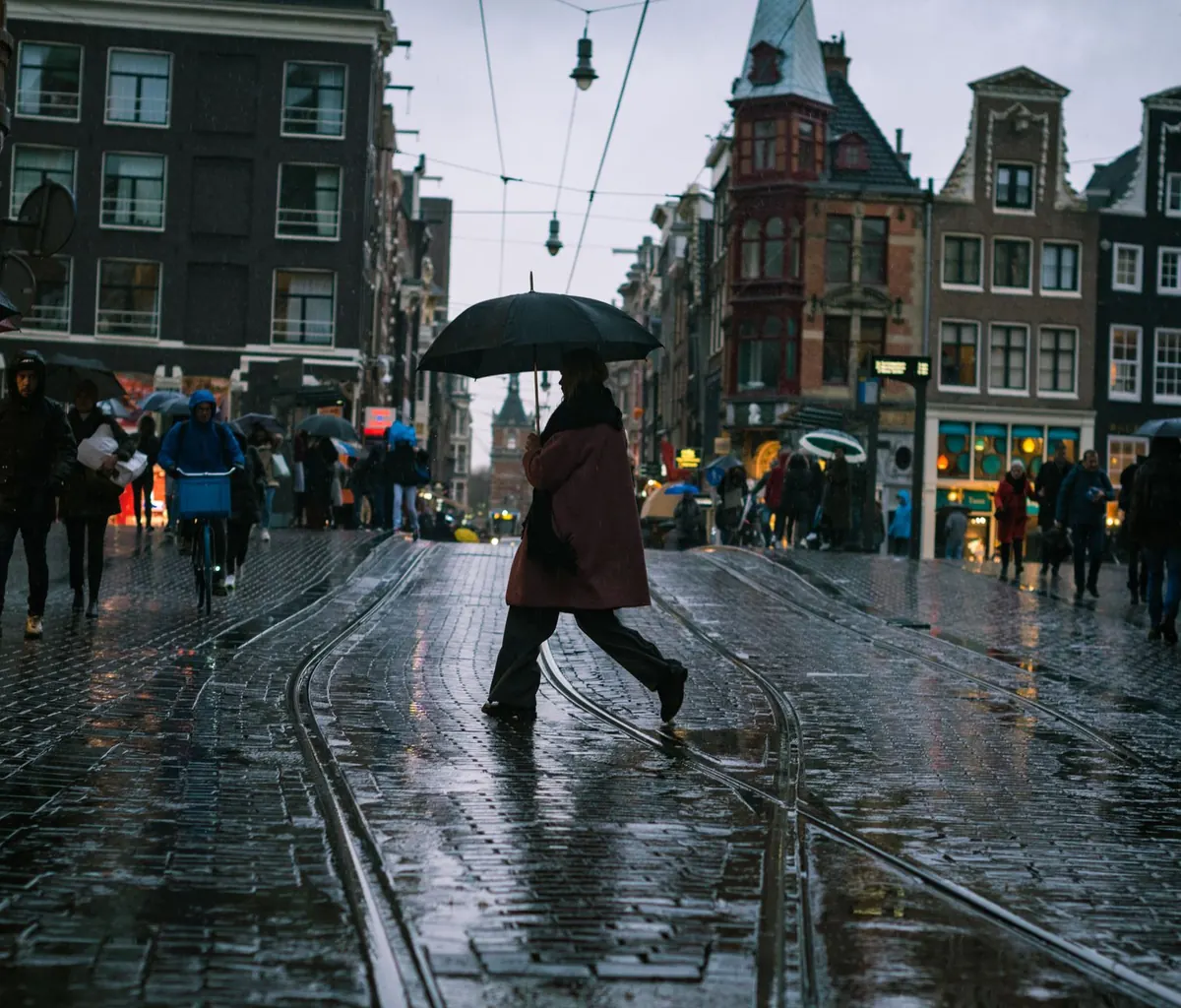
Two practical extras. Bring a second pair and rotate them, so yesterday's damp shoes have a night to dry. And watch out for metal tram rails in cities such as Lisbon, Porto or Prague — they are far slicker than the stones around them when wet.
Cotton socks hold sweat against the skin, which softens it and makes blisters more likely. Merino wool or a synthetic blend wicks moisture and dries overnight in a hotel bathroom. A thin liner sock under a slightly thicker outer sock is a well-known combination on long walking days, and it works in summer as well as spring.
Pack a pair per day plus two spares, and change them at lunchtime on hot days. Seamless toes matter more than most people expect. Carry a small roll of zinc oxide tape or a few blister plasters and deal with a hot spot the moment you feel it, rather than at the end of the day. Trim toenails short and straight before you travel.
If you have diabetes, poor circulation, or a foot condition that affects how you walk, speak to a podiatrist or your GP before planning days with several hours on uneven ground.
A crossbody bag with a zip, worn with the strap across your chest rather than hanging off one shoulder, is the simplest answer for a cobbled day. It stays put when you climb steps, it leaves both hands free for handrails and maps, and it keeps your valuables in front of you in crowded markets and trams.
If you prefer a backpack, keep it small — around 15 to 20 litres — with padded straps and a sternum strap. Load the heaviest items close to your back, put a water bottle in a side pocket, and tighten the straps so the bag does not sway as you step from stone to stone. A loose pack swinging behind you on a steep lane puts strain on your lower back.
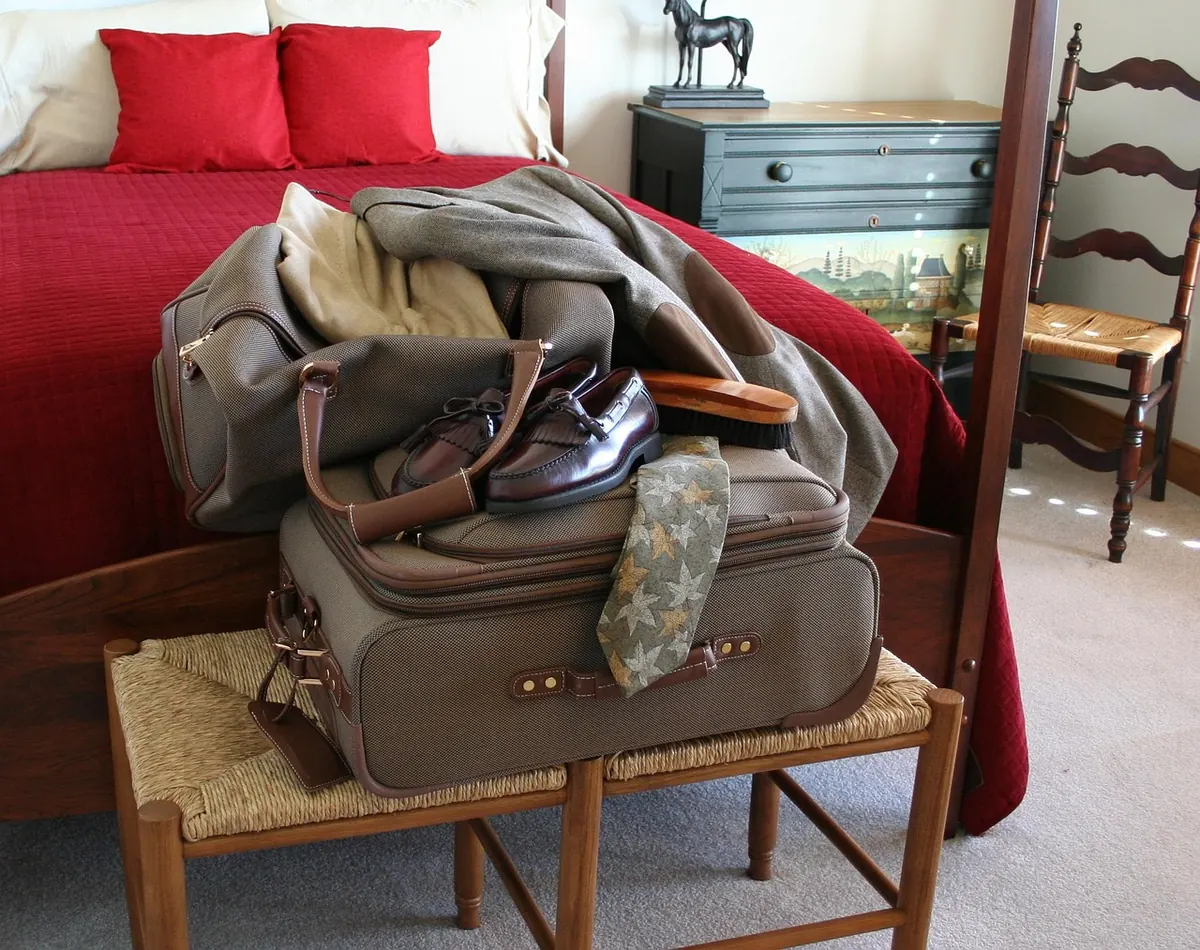
One more thing worth knowing: wheeled suitcases and cobbles are enemies. Small wheels jam in the gaps between stones and wear out fast. If you are travelling with a case, a two-wheel design with larger wheels dragged behind you copes far better than a four-wheel spinner.
Rain on cobbles is a different sport. The stone holds water, the joints fill up, and shaded lanes stay slick long after the sun reappears. A light waterproof shell with a hood beats an umbrella in narrow streets where you are already dodging awnings, scaffolding and other walkers.
For sunshine, remember that pale stone squares reflect a lot of light. A hat, sunglasses and high-factor sunscreen earn their place in the bag, and a light long-sleeved layer helps when the stone keeps radiating heat into the late afternoon.
Build your clothing in layers: a base layer, a warmer mid layer and a packable shell. Evenings cool quickly on a harbour wall or a hilltop viewpoint. In winter add gloves, a warm hat and a scarf, and consider thin waterproof over-trousers if you plan long walks. A compact folding umbrella is still useful for a sudden shower when you are stopping for coffee, but treat it as a backup rather than your main defence.
Trousers, shorts or a skirt that let you take a full stride are the right choice. Long hems catch on steps and grates, and anything you have to hold down against the wind will annoy you within an hour. Quick-drying fabrics are worth favouring over heavy cotton, especially in shoulder season when a shower can arrive without warning.
Keep one modest layer within reach. Many churches and monasteries ask visitors to cover shoulders and knees, and a light scarf solves it in seconds. Wide-brimmed hats are lovely until a gust takes them; a hat with a chin cord or a simple cap is more practical on bridges and battlements.
Do a test walk at home. Put on your chosen shoes, load the day bag as you would on holiday, and go out for two hours. Anything that rubs slightly in your own neighbourhood will rub badly on a day of 15,000 steps over granite.
Pack the night before so you have time to add what you nearly forgot, then keep the essentials in your hand luggage: shoes, socks, plasters, the waterproof shell and one spare top. If your checked bag goes missing, you can still walk the city comfortably from day one.
Photo: JamesDeMers / Pixabay